Proteins
Lamb
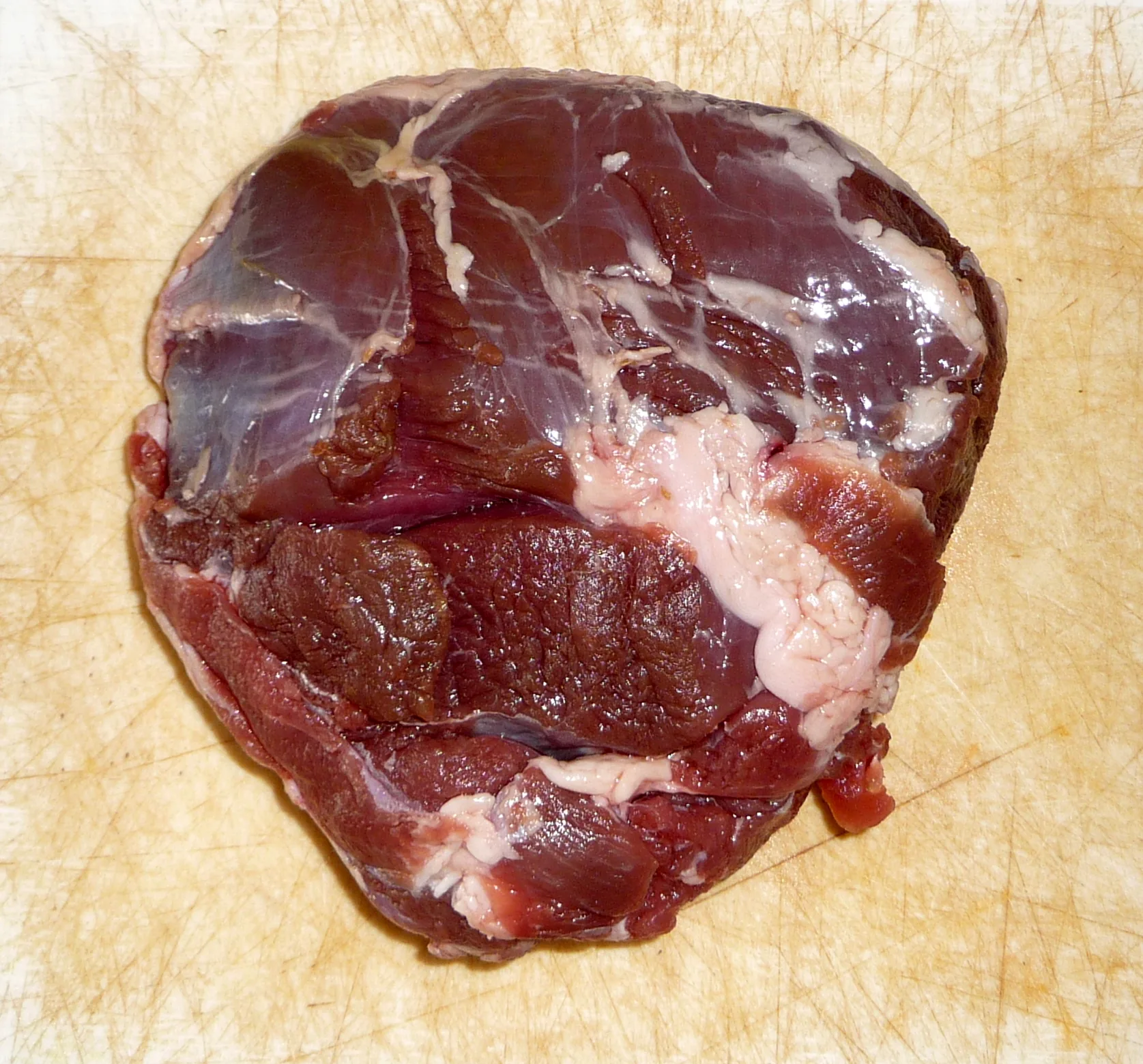
Excellent
Description
Alternative red meat, less allergenic than chicken/beef.
Benefits
Good source of zinc and iron, hypoallergenic
Risks
Fattier than poultry
History and origin
Lamb entered pet food in the 1990s as the first mainstream hypoallergenic protein. Before lamb, dogs with food allergies had almost no options because nearly everything contained chicken or beef. New Zealand became the dominant supplier of lamb meal for the global pet food industry thanks to its vast sheep farming and strict export standards. Today lamb is the go-to novel protein recommended by vets for élimination diets.
Natural diet: who eats this in the wild?
Wild wolves and wild dogs do prey on sheep and goats in regions where livestock and wild canines overlap (Turkey, Central Asia, parts of Southern Europe). For domestic dogs, lamb is a biologically appropriate protein with an excellent amino acid profile and high palatability. The fat content is higher than chicken or turkey which makes lamb meals denser in calories per gram.
Why this ingredient is used
Three reasons. First, hypoallergenic status: dogs that develop acquired allergies to chicken (the most common pet food protein) almost never react to lamb on first exposure. Second, palatability: the fat marbling in lamb drives strong feeding response in picky eaters. Third, iron and zinc density: lamb is richer in both minerals than any poultry, making it particularly suitable for working dogs, pregnant bitches, and recovery diets.
Species adaptability
Good for
- Dogs
- Cats
Avoid for
- Rabbits
